Boundless HeartHolistics
Boundless Heart Apothecary

A world of plants.
A practice of care.

Roots, leaves, flowers, and the wisdom of paying attention. Explore the stories and research behind a thoughtfully considered herbal shelf.

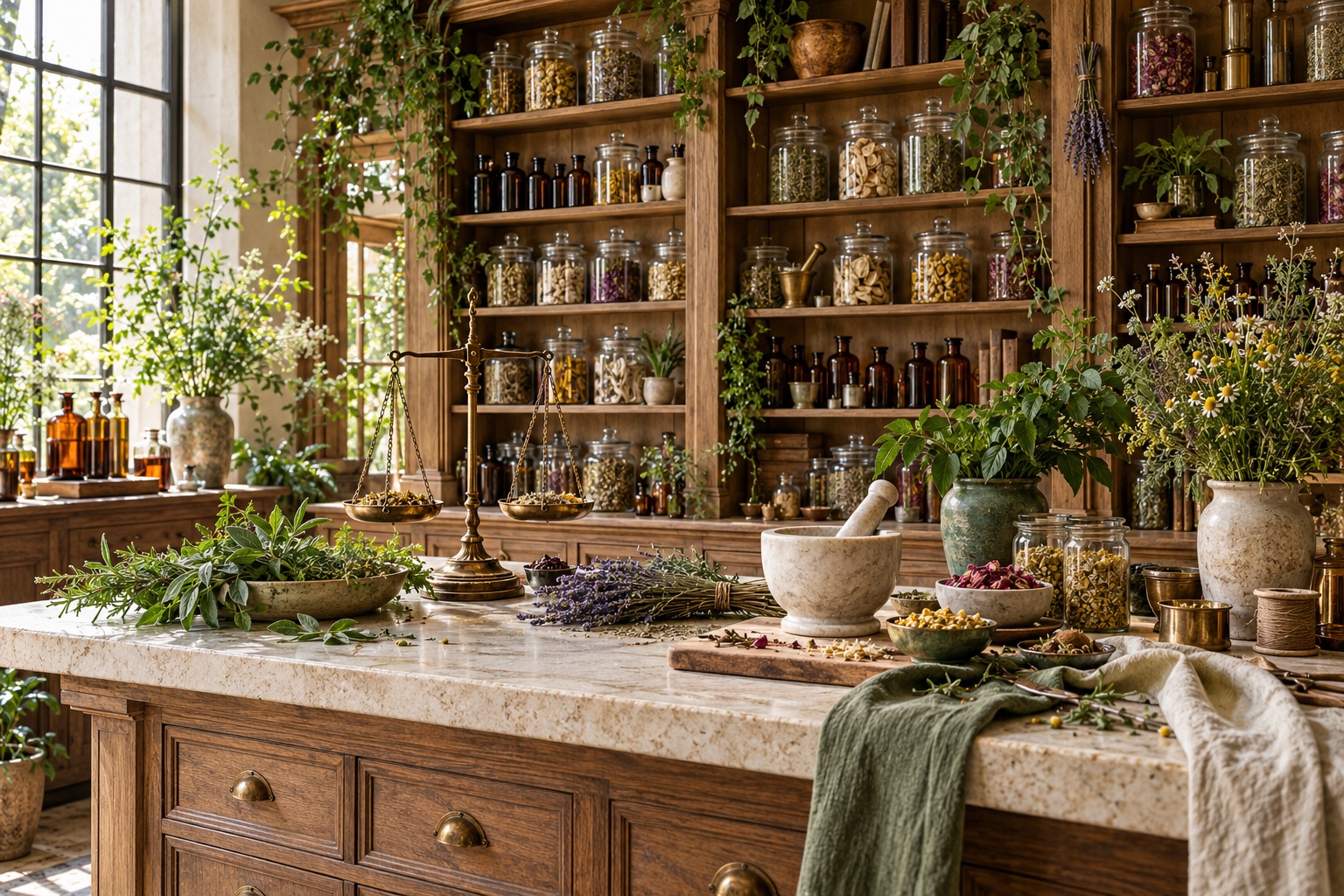
An illustrative sunlit apothecary filled with botanical jars, amber bottles, herbs, and traditional tools
Apothecary atmosphere · an illustrative image, not a photograph of a Boundless Heart storefront.
The botanical index

Meet the herbs.

Ten familiar apothecary botanicals, with potential benefits, traditional uses, and a little context for the curious.

A learning shelf, not a prescription.

These educational entries describe research on specific plants and preparations. They are not claims about our signature teas, a list of their ingredients, or a statement that these herbs are for sale. Traditional use does not prove effectiveness; a tea, extract, and essential oil can differ substantially.

Always consult your physician before beginning any herbal remedy or supplement, and ask your pharmacist about interactions. The notes below are not a complete safety assessment. Read the full herbal safety notice.

01

Chamomile

Matricaria recutita

Flowers · tea tradition
Potential benefit / traditional use

A gentle evening ritual

Traditionally used as an evening tea. Early supplement studies suggest possible anxiety benefits, but evidence is limited; sleep benefits are not established.

Keep in mind: May trigger allergy in people sensitive to ragweed or related plants; medication interactions are possible.

NCCIH research & safety ↗ — Chamomile
02

Ginger

Zingiber officinale

Rhizome · culinary & herbal
Potential benefit / traditional use

Nausea support

Research suggests ginger supplements may help pregnancy-related nausea and menstrual cramps. Studies of supplements do not establish the same effects for an ordinary cup of tea.

Keep in mind: May cause heartburn or digestive upset. Consult your pregnancy-care clinician before medicinal use.

NCCIH research & safety ↗ — Ginger
03

Peppermint

Mentha × piperita

Leaf · aromatic; oil studied separately
Potential benefit / traditional use

Digestive comfort

Mint has a long tradition of digestive use. Some evidence supports enteric-coated peppermint oil for adult IBS symptoms; this does not establish the same benefit for peppermint tea.

Keep in mind: Peppermint oil may worsen reflux. Never apply menthol-containing oil to an infant’s or young child’s face. Essential oils are not interchangeable with tea.

NCCIH research & safety ↗ — Peppermint
04

Lavender

Lavandula angustifolia

Flowers · aromatic tradition
Potential benefit / traditional use

A calming sensory ritual

Valued for its fragrance. Some studies of specific oral lavender-oil products suggest anxiety benefits, but limitations remain; aromatherapy benefits for anxiety or sleep are uncertain.

Keep in mind: Can cause skin allergy or irritation and may interact with sedatives. Do not treat ordinary essential oil as an oral supplement.

NCCIH research & safety ↗ — Lavender
05

Turmeric

Curcuma longa

Rhizome · culinary spice
Potential benefit / traditional use

Joint comfort research

Early studies of certain turmeric or curcumin preparations suggest possible benefit for knee osteoarthritis symptoms. Higher-quality research is needed, and culinary amounts are not equivalent to studied extracts.

Keep in mind: Some enhanced-absorption curcumin supplements have been linked to liver injury. Supplement use during pregnancy may be unsafe.

NCCIH research & safety ↗ — Turmeric
06

Elderberry

Sambucus nigra

Berry · traditionally prepared products
Potential benefit / traditional use

Seasonal wellness tradition

Traditionally used during cold and flu seasons. Preliminary studies suggest possible symptom relief, but evidence remains limited and does not establish reliable prevention or treatment.

Keep in mind: Raw or unripe berries, leaves, and stems can contain toxic compounds. Use only appropriately prepared products and seek professional guidance.

NCCIH research & safety ↗ — Elderberry
07

Echinacea

Echinacea species

Plant extracts · preparation varies
Potential benefit / traditional use

Cold-season research

Research suggests some echinacea products may slightly reduce the chance of catching a cold. Whether they shorten a cold remains unclear; findings do not apply equally to every preparation.

Keep in mind: Allergic reactions can be severe. Ask about possible interactions, particularly with medicines that suppress the immune system.

NCCIH research & safety ↗ — Echinacea
08

Dandelion

Taraxacum officinale

Leaf, flower & root · traditional use
Potential benefit / traditional use

Traditional digestive use

A familiar plant with a long history of traditional use, including for indigestion. There is no compelling clinical evidence that it benefits a particular health condition.

Keep in mind: Food use and concentrated preparations are different. Allergies and medicine interactions are possible; never consume a plant without reliable identification.

NCCIH research & safety ↗ — Dandelion
09

Cranberry

Vaccinium macrocarpon

Fruit · juice & standardized products
Potential benefit / traditional use

Urinary wellness research

Some cranberry products may reduce recurrent urinary infections in some women, but results are inconsistent. Cranberry does not treat an existing urinary infection.

Keep in mind: Seek medical care for suspected urinary infection. Ask your clinician about interactions, especially if you take warfarin.

NCCIH research & safety ↗ — Cranberry
10

Green tea

Camellia sinensis

Leaf · caffeinated tea
Potential benefit / traditional use

A daily tea ritual

Research on green tea products suggests small cholesterol-lowering effects; most trials studied extracts rather than brewed tea. This is not a promise about any tea or blend sold here.

Keep in mind: Contains caffeine. Concentrated extracts have different risks from brewed tea, including rare liver injury and medication interactions.

NCCIH research & safety ↗ — Green tea

Source: National Center for Complementary and Integrative Health (NCCIH), individual botanical fact sheets linked above. Summaries reviewed October 29, 2026. Research continues to evolve.
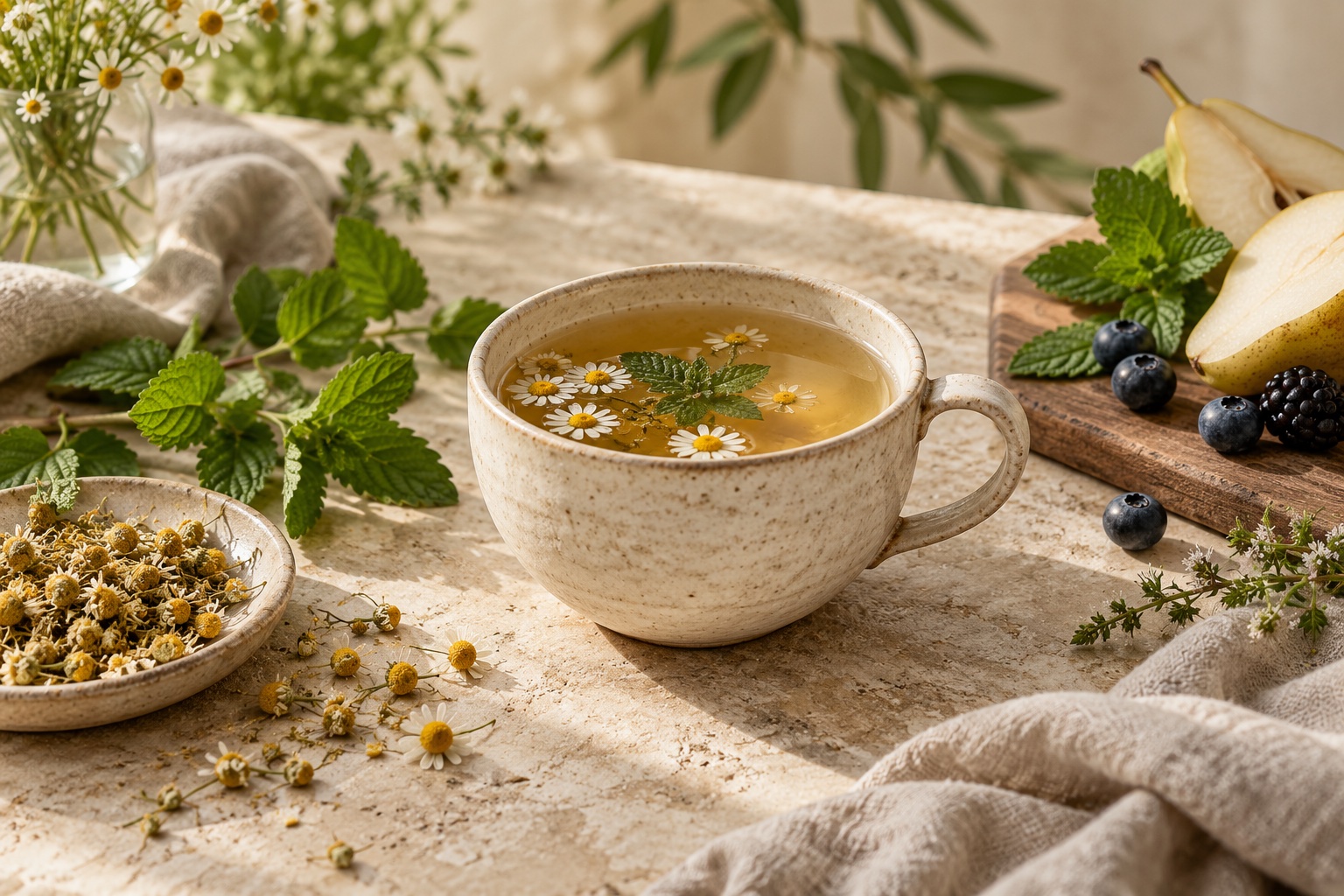
Herbal tea with fresh leaves, chamomile, pear, and berries
The signature tea collection

Your own
little ritual.

Heart Protector, Calm the Mind, Wake Up Brain, and Third Eye Tea are the four signature teas in our starter shop. Ingredients, sizes, prices, and ordering details are still being finalized.

Explore the tea shop ↗

Consult your physician before use. These teas are not FDA-approved medicines; collection names are not health claims.

Knowledge grows through relationship

Bring your curiosity.

Ask about herbal education, a seasonal plant walk, or how to begin learning about plants with care and discernment.